The Exciting Arrival of Apple Buds Signaling the Start of Growing Season
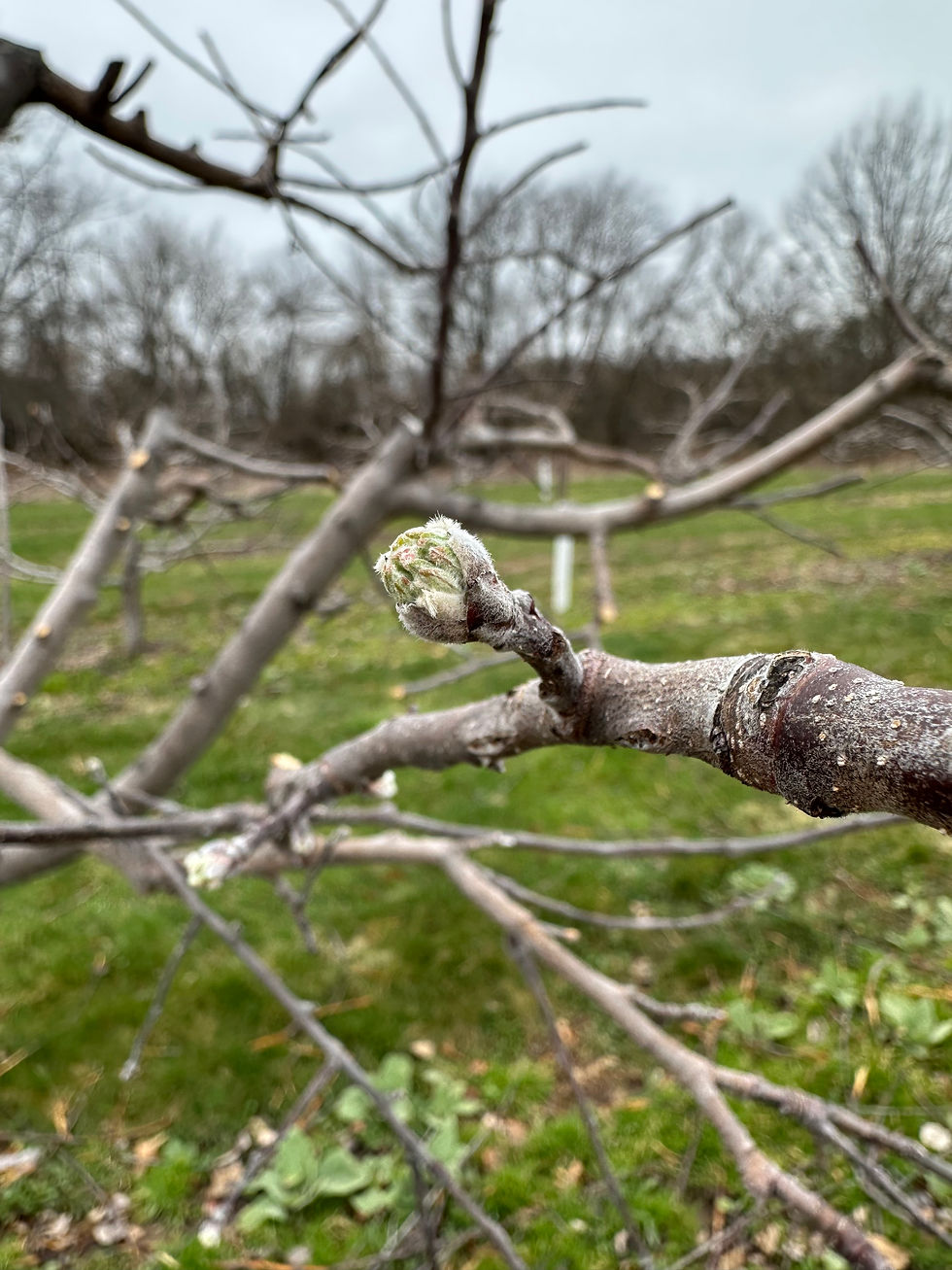
The first sign of apple buds emerging on trees marks a significant moment for orchard owners, gardeners, and fruit lovers alike. This early stage signals the start of the growing season, a time full of promise and careful attention. Watching these tiny buds swell and prepare to bloom offers a glimpse into the cycle of growth that will eventually lead to ripe, juicy apples. Understanding this phase helps growers plan their care routines and anticipate the challenges ahead.
What Apple Buds Tell Us About the Season Ahead
Apple buds are more than just a pretty sight. They provide valuable information about the health of the tree and the conditions of the season. When buds begin to swell, it means the tree is coming out of dormancy and starting its active growth phase. This stage usually happens in early spring, depending on the local climate.
The size, color, and firmness of the buds can indicate how well the tree survived winter and how strong the upcoming bloom might be. Healthy buds are plump and green, ready to burst open into flowers. If buds appear dry or shriveled, it could signal damage from frost or disease, which might affect fruit production.
How to Care for Apple Trees at Bud Break
The appearance of apple buds calls for specific care steps to support healthy growth and maximize fruit yield. Here are some practical tips for this critical time:
Inspect the buds carefully for signs of pests or disease. Early detection helps prevent problems from spreading.
Apply dormant oil spray if needed to control overwintering insects. This should be done before buds open fully.
Ensure proper watering as the tree shifts from dormancy to active growth. Avoid overwatering, which can cause root issues.
Prune dead or damaged branches to improve air circulation and light penetration, which supports bud development.
Consider fertilizing with a balanced nutrient mix to provide essential minerals for growth.
These steps help the tree focus its energy on producing strong flowers and, later, healthy fruit.
The Role of Weather in Bud Development
Weather plays a crucial role in how apple buds develop and bloom. Cold temperatures can delay bud break, while warm spells may cause buds to open too early, increasing the risk of frost damage. Late frosts are a common threat during this stage and can kill delicate flowers, reducing the harvest.
Growers often monitor weather forecasts closely during bud break. Some use frost protection methods such as:
Sprinkler irrigation to create a protective ice layer
Wind machines to circulate warmer air
Row covers or frost blankets for smaller trees
Understanding local climate patterns and preparing for temperature fluctuations can make a big difference in the success of the growing season.
What Happens After Bud Break
Once the buds open into flowers, pollination becomes the next critical step. Bees and other pollinators transfer pollen between blossoms, enabling fruit to develop. Without effective pollination, apple trees produce fewer or misshapen fruits.
After pollination, flowers will fade, and tiny green apples will start to form. This fruit set stage requires continued care, including pest management and nutrient support. The growing season will progress through fruit development, maturation, and finally harvest.
Why Watching Apple Buds Matters to Everyone
Even if you are not a commercial grower, observing apple buds can be rewarding. For home gardeners, it signals the time to prepare for pruning, fertilizing, and protecting trees. For consumers, it offers insight into when fresh apples will soon be available.
Apple buds also connect us to the natural rhythms of the seasons. They remind us of the patience and effort behind every apple we enjoy. By paying attention to these early signs, we gain a deeper appreciation for the work involved in growing fruit.

Comments